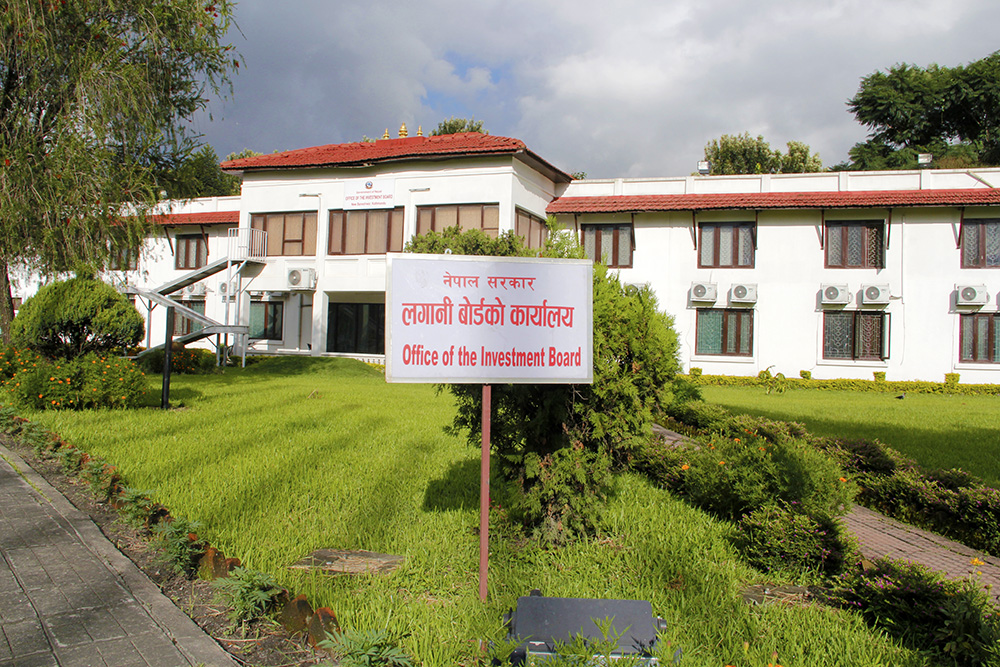
What is the Investment Board Nepal (IBN)?
The Investment Board Nepal (IBN) is a high-level government agency established in 2011 to act as Nepal’s primary facilitator for large-scale investments. Chaired by the Prime Minister, IBN serves a dual purpose: it is both the national investment promotion agency and the central authority for Public-Private Partnership (PPP) projects.
Governed by the Public Private Partnership and Investment Act (PPPIA) of 2019, IBN’s core mandate is to approve, develop, and fast-track major projects that meet specific thresholds, such as energy projects of 200 MW or more and non-energy projects requiring an investment of at least NPR 6 billion.
What is IBN’s mandate?
The Investment Board Nepal (IBN) is mandated to approve, develop, manage, and facilitate large-scale investment projects critical to Nepal’s development. Its authority is focused on high-value projects that meet specific thresholds:
- Energy Projects: Those with an installed capacity of 200 MW or more.
- Non-Energy Projects: Those requiring a minimum investment of NPR 6 billion (approx. USD 42 million) or greater.
To achieve this, IBN operates through its secretariat, the Office of the Investment Board Nepal (OIBN), guided by four strategic pillars: Project Development and Management, Investment Promotion, Institutional Development, and Coordination, Collaboration, and Partnerships. The ultimate goal is to provide a fast-track, efficient service to investors for mobilizing transformative investments in Nepal.
What is IBN’s Board of Directors (BOD) composition?
The Board of Directors (BOD) of the Investment Board Nepal (IBN) is a high-powered body comprising 11 core members, designed to ensure swift decision-making on major investments. Chaired by the Prime Minister of Nepal, the board brings together the highest levels of government leadership and private sector expertise.
The composition is as follows:
- Chairperson: The Rt. Hon’ble Prime Minister.
- Vice Chairperson: The Minister for Finance.
- Members: Key ministers (Industry, Commerce and Supplies; Forests and Environment; Energy, Water Resources and Irrigation), the Minister related to a specific project, the Vice-Chairperson of the National Planning Commission, the Governor of Nepal Rastra Bank, and the Chief Secretary of the Government of Nepal.
- Nominated Experts: Three independent professionals, including at least one woman, appointed for their expertise in sectors like infrastructure, law, and finance.
- Member-Secretary: The Chief Executive Officer (CEO) of IBN.
This structure, governed by the Public Private Partnership and Investment Act (PPPIA) of 2019, ensures comprehensive oversight and efficient facilitation of large-scale projects.
Do other countries have institutions like IBN?
Yes, many countries have established high-level Investment Promotion Agencies (IPAs) with similar functions to Nepal’s IBN. The table below provides a comparative overview, including the crucial aspect of board composition.
Country | Investment Approval Threshold | Threshold as % of GDP (approx.) | Board Composition Highlights |
Nepal | NPR 6 billion (~USD 60 million) | ~1.0% | Chaired by Prime Minister. Includes Finance Minister (Vice Chair), key ministers, central bank governor, chief secretary, and nominated private sector experts. |
India | INR 500 crore (~USD 60 million) | ~0.04% | Chaired by Cabinet Secretary. Includes senior bureaucrats and industry experts (Invest India). |
Singapore | SGD 50 million (~USD 37 million) | ~0.12% | Chaired by Minister for Trade & Industry. Includes senior officials and private sector leaders (Economic Development Board). |
South Korea | KRW 70 billion (~USD 60 million) | ~0.05% | Chair by Ministry of Trade/Investment. Board includes government and private sector members (KOTRA). |
Rwanda | RWF 20 billion (~USD 16 million) | ~3.0% | Chaired by Minister of Finance. Includes private sector representatives (Rwanda Development Board). |
Mauritius | MUR 200 million (~USD 4.5 million) | ~0.05% | Chaired by Economic Development Minister. Includes public and private sector members. |
UAE | AED 200 million (~USD 54 million) | ~0.03% | Chaired by senior government officials. Includes private sector representation. |
Malaysia | MYR 200 million (~USD 45 million) | ~0.03% | Chaired by Minister of International Trade. Members from government and business sectors. |
Chile | USD 50 million | ~0.07% | Chaired by Ministry of Economy officials. Includes private sector and technical experts. |
Kenya | KES 1 billion (~USD 9 million) | ~0.04% | Chaired by Cabinet Secretary. Includes government officials and private sector reps. |
The comparison reveals a consistent global model: a high-level board chaired by a senior government official, with representation from both the public and private sectors, to ensure strategic oversight and efficient facilitation of major investments. Nepal’s IBN, with its Prime Minister-led board, aligns with this international best practice.
What is the recent trend of Foreign Direct Investment (FDI) in Nepal?
Foreign Direct Investment (FDI) inflows into Nepal have shown a generally stable and slightly increasing trend over the past decade, with annual inflows typically ranging between $140 million and $180 million.
The table below outlines the FDI inflows for the last 10 fiscal years:
Fiscal Year | FDI Inflows (USD million) |
2014/15 | ~142 |
2015/16 | ~150 |
2016/17 | ~104 |
2017/18 | ~100 |
2018/19 | ~150 |
2019/20 | ~182 |
2020/21 | ~145 |
2021/22 | ~160 |
2022/23 | ~175 |
2023/24 | ~170 |
Given its mandate to approve large-scale projects, the Investment Board Nepal (IBN) is estimated to facilitate a significant portion of this investment, handling approximately 30-40% of total FDI inflows on average through its portfolio of high-value energy and infrastructure projects.
At what scale IBN operates?
The Investment Board Nepal (IBN) has been operating on a significant scale, with a substantial track record of investment approvals. By the end of the Fiscal Year 2021/22, IBN had approved a cumulative total investment of Rs. 1,040.25 billion (approximately USD 8 billion). This major milestone reflects IBN’s work since its establishment in 2011. The breakdown of this total approval is as follows:
- Energy Projects: Rs. 725.17 billion for 19 projects.
- Non-Energy Projects: Rs. 315.08 billion for 8 projects.
To streamline the investment process for these large-scale projects, the government has established a One-Stop Service (OSS) Centre through the Foreign Investment and Technology Transfer Act (FITTA), which IBN operationalizes to facilitate investors efficiently.
How does IBN screen projects?
The Investment Board Nepal (IBN) employs a rigorous and multi-stage screening process to ensure that only credible, bankable, and nationally-aligned projects are approved. This process is a core part of its Project Development and Management pillar and involves the following key steps:
- Project Identification & Procurement: Projects enter IBN’s pipeline through three main routes: solicited (publicly advertised), unsolicited (proposed by investors), or direct negotiation.
- Structured Evaluation: IBN uses specialized tools to analyze proposals:
- Project Screening and Analytics Tool (PSAT): Helps in the initial assessment and prioritization of projects.
- Value for Money (VfM) Analysis: Determines if a project is more cost-effective as a Public-Private Partnership (PPP) than through traditional public funding.
- IBN Project Bank Guidelines: Ensure projects are well-conceived and developed to high standards before being included in the official pipeline.
- Approval & Formalization: Successful projects move to the agreement phase. IBN negotiates and approves key legal frameworks:
- Project Development Agreement (PDA) for PPP projects.
- Project Investment Agreement (PIA) for direct private investments.
This structured approach allows IBN to effectively manage the entire project lifecycle, from initial screening through implementation and monitoring.
What does IBN managing PPP projects mean?
The management of Public-Private Partnership (PPP) projects is a fundamental and high-priority function of the Investment Board Nepal (IBN). As mandated by the Public Private Partnership and Investment Act (PPPIA) of 2019, IBN acts as the national PPP agency, empowered to approve, develop, manage, and facilitate all large-scale projects under the PPP modality.
IBN’s management of PPP projects encompasses the entire project lifecycle:
- Mandate and Scope: IBN handles PPP projects meeting specific thresholds: energy projects of 200 MW or more and non-energy projects with an estimated cost of Rs. 6 billion or above.
- Structured Management Processes: IBN manages projects through three routes: solicited, unsolicited, and direct negotiation. This involves:
- Project Identification: Using the IBN Project Bank Guidelines to build a credible pipeline.
- Evaluation: Employing tools like Value for Money (VfM) analysis to ensure projects are bankable.
- Procurement and Agreements: For solicited projects, this includes calling for Expressions of Interest (EOI). For all projects, the relationship is formalized through a long-term Project Development Agreement (PDA), which defines risk-sharing, implementation schedules, and government facilitation.
- Facilitation and Monitoring: A crucial part of IBN’s role is continuous support. This includes:
- Handholding: Providing ongoing assistance to developers throughout implementation.
- High-Level Coordination: The Monitoring and Facilitation Committee (MFC), chaired by the Finance Minister, resolves implementation issues.
- Capacity Building: IBN enhances its expertise through programs like the APMG PPP Certification.
Examples of managed PPP projects include the 900 MW Arun-3 Hydroelectric Project, the 669 MW Lower Arun HEP, and large infrastructure initiatives like the proposed Nijgadh International Airport. This end-to-end management is crucial for leveraging private investment to achieve Nepal’s development goals.
What are PDA and PIA and what is IBN's role?
The Project Development Agreement (PDA) and Project Investment Agreement (PIA) are the crucial legal contracts that formalize large-scale investments in Nepal. The Investment Board Nepal (IBN) plays a central role in negotiating and approving these agreements, a key function under the Public Private Partnership and Investment Act (PPPIA) of 2019.
- Project Development Agreement (PDA) A PDA is the long-term contractual framework used specifically for Public-Private Partnership (PPP) projects. It is a comprehensive document that:
- Establishes Risk-Sharing: Clearly defines how risks are allocated between the government and the private investor.
- Outlines Government Commitments: Details government facilitation, such as support with land acquisition.
- Sets Key Terms: Specifies the project implementation schedule, technical standards, fees, royalty payments, and conditions for termination.
- Duration: Typically spans up to 30 years, extendable to 50 years for national priority projects, providing long-term stability.
- Project Investment Agreement (PIA) A PIA is the equivalent agreement used for direct private investment projects that fall under IBN’s large-scale threshold.
IBN’s Central Role IBN’s role is multifaceted and critical:
- Mandate to Approve: The PPPIA explicitly grants IBN the authority to approve both PDAs and PIAs.
- Negotiation: IBN’s secretariat, the Office of the Investment Board Nepal (OIBN), forms dedicated negotiation committees to finalize the precise terms, conditions, and incentives with the investor.
- Financial Safeguards: Before signing, IBN ensures the investor deposits a Signing Fee (0.2% of project cost) and a Performance Guarantee (0.1% of project cost).
- Formalization: IBN manages the official signing of these agreements. A prime example is the PDA for the 669 MW Lower Arun Hydroelectric Project, signed by the IBN CEO in 2023.
In essence, the PDA and PIA are the bedrock of major investment deals in Nepal, and IBN acts as the government’s lead negotiator and approving authority, ensuring these agreements are bankable, fair, and aligned with national interests.
How does IBN's investment approval authority translate into sector-specific development?
The Investment Board Nepal’s (IBN) authority to approve large-scale investments, as mandated by the PPPIA 2019, directly translates into catalyzing development across key economic sectors. By focusing on projects exceeding Rs. 6 billion or 200 MW, IBN channels investments into strategic areas crucial for national growth.
- Energy Sector Dominance: The energy sector, particularly hydropower, represents the largest share of IBN’s portfolio. By the end of FY 2022/23, cumulative investment approval in energy reached Rs. 892.76 billion. This aligns with national goals to generate 15,000 MW by 2028 and leverages Nepal’s estimated 42,000 MW of feasible hydropower potential. IBN manages flagship projects like the 900 MW Arun-3 and the 669 MW Lower Arun Hydroelectric Project, which also support regional energy security agreements.
- Diversification into Core Infrastructure: Beyond energy, IBN’s approval power drives development in:
- Transport: Facilitating transformative projects like the proposed Nijgadh International Airport (estimated USD 3.45 billion) and urban mobility solutions like the Kathmandu Bus Rapid Transit system.
- Urban Infrastructure: Addressing rapid urbanization by promoting investments in waste-to-energy plants, multi-storey parking, and water supply systems, with an estimated need of NPR 137 billion annually for urban municipalities.
- Manufacturing & Mines: Approving major projects like the Suryatara Cement Plant (Rs. 14.28 billion) to reduce trade deficits and achieve self-sufficiency in sectors like cement, which has now become an export industry.
This sector-specific focus demonstrates how IBN’s investment approval function is strategically deployed to build foundational infrastructure, boost industrial capacity, and harness Nepal’s natural resources for sustainable economic prosperity.
Nepal stands at a pivotal moment in its development, with the energy sector positioned as the primary engine for economic transformation. The country’s vast, untapped renewable resources, coupled with ambitious national targets and burgeoning regional demand, create an unparalleled investment landscape. The Investment Board Nepal (IBN) is at the forefront of channeling large-scale investments into this critical sector, managing a pipeline of projects that promise to reshape the nation’s future.
A Reservoir of Untapped Potential
The scale of opportunity is immense. Nepal’s rivers hold a gross hydropower potential of 72,544 MW, with 42,000 MWdeemed technically and economically feasible. To put this in perspective, this is enough energy to power tens of millions of homes and industries. The government has set ambitious but achievable targets: generating 15,000 MW by 2028 and 28,500 MW by 2035. Achieving these goals requires an estimated investment of USD 46.5 billion in the power sector alone, signifying a massive opportunity for private investment.
IBN’s Portfolio: A Showcase of Transformative Projects
IBN’s portfolio reflects the sector’s strategic priority. By the end of FY 2022/23, the Board had approved a cumulative investment of Rs. 892.76 billion in the energy sector. This portfolio is dominated by flagship projects that demonstrate the sector’s viability and scale:
- The Arun-3 Hydroelectric Project (900 MW): A landmark foreign investment project under implementation, which was 65% complete as of FY 2022/23. With a total approved investment of Rs. 144.76 billion, it serves as a testament to a favorable investment climate.
- The Lower Arun Hydroelectric Project (669 MW): A prime example of a successful Public-Private Partnership (PPP), for which IBN approved Rs. 92.68 billion and signed the Project Development Agreement (PDA) in 2023.
- Gigawatt-Scale Pipeline: IBN is actively developing even larger projects, including the storage-type West Seti (750 MW) and Seti River-6 (450 MW) projects, with a combined indicative cost exceeding USD 2.1 billion.
Beyond Hydro: Diversifying the Renewable Mix
While hydropower is the cornerstone, Nepal’s energy potential extends far beyond its rivers. IBN is actively promoting a diverse range of renewable opportunities:
- Solar Energy: With approximately 300 sunny days annually, Nepal is ideal for large-scale solar projects. IBN has already approved investments for projects like the 250 MW Solar Energy Project in Bangana and Kohalpur.
- Wind Energy: Preliminary assessments indicate a potential to generate over 3,000 MW of wind energy from suitable sites across the country.
- Green Innovation: The future includes cutting-edge opportunities in Green Hydrogen, Green Ammonia, and Waste-to-Energy projects, leveraging organic waste which constitutes about 66% of total household waste.
The Regional Demand: A Guaranteed Market
A key driver for investment is the strong regional market. India has committed to importing 10,000 MW of electricity from Nepal over the next 10 years. This cross-border trading agreement provides a clear and substantial market for the power generated, de-risking investments and ensuring long-term revenue streams. The success of existing projects like Arun-3 and the rapid progress on others proves that Nepal is not just a source of power, but a reliable regional energy partner.
In conclusion, Nepal’s energy sector is more than just megawatts; it is the catalyst for sustainable economic growth, energy independence, and regional integration. Through IBN, the government has created a structured, transparent pathway for investors to participate in one of South Asia’s most promising investment stories.
For a landlocked nation nestled in the Himalayas, modern transport infrastructure is not a luxury—it is an economic imperative. Nepal’s transport sector, contributing 6.79% to the national GDP, is the critical link that connects producers to markets, tourists to destinations, and citizens to opportunities. Recognizing this, the Government of Nepal, through the Investment Board Nepal (IBN), has prioritized the sector for large-scale investment, aiming to bridge a significant infrastructure deficit and fuel sustainable growth.
The Scale of the Challenge and the Opportunity
The need for investment is substantial. Nepal currently ranks 108 out of 138 countries in the Global Competitiveness Index for infrastructure, highlighting a clear gap. To overcome this, estimates suggest the country needs to invest 10-15% of its GDP annually in infrastructure for a decade. The national vision is bold: establishing 3,000 Km of multi-lane national highways and 2,200 Km of railways by 2043/44, and ensuring 99% of the population has access to public motor transport within a 30-minute radius.
To attract the necessary capital, the government offers compelling incentives, designating transport projects as “transformative or national priority,” which makes investors eligible for a 40% exemption on the applicable income tax rate.
IBN’s High-Impact Transport Pipeline
IBN is actively facilitating a pipeline of transformative projects, predominantly through Public-Private Partnerships (PPPs), that address key bottlenecks across the transport spectrum.
- Strategic Gateways: Aviation and Logistics As a landlocked country, efficient air and logistics gateways are vital for trade.
- Nijgadh International Airport: This flagship project is a game-changer. Structured as a PPP, it has an estimated cost of USD 3.45 billion and is envisioned as a major regional hub.
- Logistics Infrastructure: IBN is evaluating critical projects like the Private Freight Terminal and Bulk Handling Project in Birgunj and Bhairahawa (Rs. 11.5 billion) and a Multi-modal Logistic Park in Biratnagar to streamline cargo movement and reduce trade costs.
- Urban Mobility Revolution With rapid urbanization, modern mass transit systems are essential to combat congestion and pollution in cities.
- Bus Rapid Transit (BRT): The Kathmandu BRT Project, with an estimated cost of US$ 153.32 million, is a key initiative. IBN is also exploring similar systems for routes like Kohalpur-Nepalgunj and Butwal-Bhairahawa-Lumbini.
- Urban Rail and Parking: Future-ready plans include potential Metro Rail systems across three routes in Kathmandu and multi-layer vertical parking facilities in urban centers to manage growing vehicle density.
- Enhancing Regional Connectivity Improving road connectivity through challenging terrain is a top priority.
- Major Road Corridors: The Kathmandu Outer Ring Road Development Project, a massive undertaking with a projected cost of USD 1.87 billion, aims to decongest the capital. IBN has also prepared pre-feasibility studies for strategic corridors like the Chandragiri-Chitlang-Palung-Chitwan Expressway.
- Tunnels and Ropeways: To conquer geographical barriers, IBN is promoting investment in strategically important road tunnels and cable car projects like the Muktinath Cable Car (USD 439.34 million), which serve both tourism and local mobility needs.
In summary, Nepal’s transport sector presents a confluence of clear national need, strong government support, and a robust pipeline of bankable projects. For investors looking to participate in building the foundational infrastructure of a growing economy, the opportunities in Nepal’s transport sector are not just profitable but truly transformative.
Nepal is undergoing a dramatic transformation, not just economically but demographically. The 2021 Census revealed a watershed moment: 66.2% of Nepal’s population, around 19 million people, now live in urban areas. These cities are the nation’s economic powerhouses, contributing 63% of the GDP, with the Kathmandu Valley alone accounting for 23.4%. This rapid urbanization presents both an immense challenge and an unprecedented investment opportunity. To sustain this growth and meet Sustainable Development Goals, the National Planning Commission estimates a need for NPR 2,554 billion in urban infrastructure investment over 15 years—averaging NPR 137 billion annually. The Investment Board Nepal (IBN) is central to mobilizing this capital, facilitating private investment in projects that promise both financial returns and profound social impact.
Critical Investment Sub-Sectors with High Potential
The urban infrastructure gap spans several key areas, each offering distinct opportunities for investors.
- Solid Waste Management: From Problem to Profit Urban Nepal generates substantial waste, but this challenge is a clear commercial opportunity.
- Composition: Approximately 56% of municipal solid waste is organic, and 37% is recyclable (plastic, paper, glass, metal).
- Investment Potential: The high organic content (66% of household waste) makes composting and waste-to-energy projects highly viable. Yet, less than 2% of municipalities have adopted technology to convert waste into energy. Successful models like the commercially operational Venture Waste to Energy Project in Dharan (30 tons/day)demonstrate the potential. IBN promotes such projects, which are eligible for Viability Gap Funding (VGF), and opportunities in automated waste sorting and intelligent IoT-based management systems.
- Water Supply and Sanitation: Addressing a Fundamental Need There is a critical gap in basic utilities that private investment can help bridge.
- Water Supply: Only about 52% of the urban population has access to piped water, indicating a massive market for constructing new water supply systems, processed drinking water plants, and public water stations. These projects are also eligible for VGF.
- Waste-water Management: A significant financing gap exists for sewerage and wastewater treatment plants in major cities, representing a essential public health and environmental investment.
- Urban Transport Support and Housing As cities grow, the need for efficient internal systems and housing escalates.
- Parking and Terminals: Major cities face a severe shortage of multistorey parking facilities and modern bus terminals. IBN promotes the development and operation of these facilities in cities like Pokhara, Dharan, and Hetauda.
- Housing and Recreation: Strong demand persists for large and medium-scale housing projects in provincial capitals and transit hubs. Additionally, there are opportunities in developing recreational facilities like parks, skywalks, and water parks to enhance urban livability.
- Smart City Integration The future of Nepali cities lies in integrating digital technology.
- ICT Applications: IBN specifically promotes investment in intelligent waste management systems, automated sorting, and smart solutions for utilities. Projects like the New Town Development Project (Eeshan) and West Seti Town Planning represent opportunities to build sustainable, tech-enabled urban centers from the ground up.
In conclusion, investing in Nepal’s urban infrastructure is not merely about building structures; it is about shaping the future of a rapidly urbanizing nation. The opportunities are vast, targeted, and supported by clear government incentives. For investors, it is a chance to achieve strong returns while playing a direct role in improving the quality of life for millions and supporting the engines of national economic growth.
While hydropower and infrastructure often dominate headlines, Nepal’s manufacturing sector represents an equally critical frontier for investment—one directly tied to the nation’s economic sovereignty. Currently contributing 5.3% to GDP, the sector is poised for transformational growth, backed by a clear national goal to increase the entire industrial sector’s contribution to 30% of GDP by 2043/44. For the Investment Board Nepal (IBN), facilitating large-scale manufacturing investments (those exceeding Rs. 6 billion) is key to addressing Nepal’s persistent trade deficit, which once peaked at 31.3% of GDP, by building a robust base for import substitution and export-led growth.
Proven Success Stories and High-Growth Sub-Sectors
The sector offers diverse opportunities, with several areas already demonstrating significant success and potential for further investment.
- Cement and Minerals: From Self-Sufficiency to Export Powerhouse The cement industry stands as a testament to what focused investment can achieve.
- Market Maturity: Nepal has achieved self-sufficiency in cement, with 63 operational plants, including three FDI ventures and two more under construction. The sector has progressed to exporting cement and clinker, proving its competitiveness.
- IBN’s Role: IBN has been instrumental in facilitating major projects like the Hongshi Shivam and Huaxin Cement Narayani plants, which have elevated quality standards. The approval of the Suryatara Cement Project (Rs. 14.28 billion) exemplifies IBN’s focus on large-scale, transformative investments in this sub-sector.
- Agro-Based Manufacturing: Leveraging Natural Advantages Nepal’s diverse climate provides a strong foundation for high-value agro-processing.
- Global Leadership: Nepal is the world’s largest producer of large cardamom and the fourth-largest producer of ginger, creating immediate opportunities for value-added processing.
- Value Chain Development: There is immense potential in establishing food processing industries for commodities like tea, coffee, and fine rice, moving from raw material export to finished goods.
- Pharmaceuticals and Herbal Medicine: Bridging the Critical Gap The health sector presents a compelling investment case driven by domestic demand.
- Significant Demand Gap: Domestic pharmaceutical production meets only 45% of Nepal’s medicine demand, indicating a massive market for import substitution.
- Medicinal & Aromatic Plants (MAPs): With over 7,000 plant species, Nepal has a rich base for herbal medicine. Establishing integrated processing plants for MAPs, which are already exported to markets like the U.S.A., Japan, and Germany, offers a high-value opportunity.
- Advanced Assembly and Technology Transfer An emerging frontier in manufacturing focuses on technology transfer and job creation.
- Vehicle Assembly: IBN has approved investment for a Vehicle Manufacturing and Assembly Plant Project, with a focus on electric vehicles, supported by a 50% tax waiver for EV assembly plants.
- Industrial Infrastructure: IBN is actively developing enabling infrastructure through projects like the China-Nepal Friendship Industrial Park and promoting industrial districts to create clustered manufacturing hubs.
A Conducive Ecosystem for Investors
IBN fosters a favorable environment for manufacturing investments through:
- Attractive Incentives: Manufacturing industries benefit from a 20% income tax exemption, and those in Special Economic Zones (SEZs) can receive further tax and customs duty concessions.
- Policy Stability: The government emphasizes consistent policies to de-risk investment decisions, evidenced by the successful reinvestment of Dabur Nepal, Nepal’s first-generation FDI project.
In conclusion, Nepal’s manufacturing sector is not just about producing goods; it’s about building economic resilience, creating jobs, and reducing dependency on imports. For investors, it offers a unique combination of rich natural resources, a clear policy framework, and a vast domestic market, all supported by a government agency dedicated to fast-tracking major projects. The time is ripe to participate in building Nepal’s industrial future.
Beneath Nepal’s dramatic landscapes lies a wealth of mineral resources that represent a foundational opportunity for industrial development and economic diversification. While the mining and quarrying sector’s contribution to GDP currently stands at 0.51%, its strategic importance is far greater. It is the essential backbone for Nepal’s construction boom and a key to reducing the nation’s trade deficit. The Government of Nepal, through the National Mineral Policy 2074 (2017) and the Fifteenth Plan, has explicitly prioritized attracting investment to this sector, with the Investment Board Nepal (IBN) facilitating large-scale projects that exceed the Rs. 6 billion threshold.
A Wealth of Untapped Mineral Resources
Nepal’s geological bounty is significant and varied, offering opportunities across multiple high-value sub-sectors:
- Limestone (Cement): This is the most developed segment, with over 1.5 billion tons of estimated deposits (750 million tons proven). This resource base has already enabled Nepal to achieve self-sufficiency in cement production and begin exporting, demonstrating the sector’s viability.
- High-Grade Industrial Minerals: Nepal possesses an estimated 200 million tons of high-grade magnesite, considered the best in South Asia, along with potential deposits of over two billion tons of dolomite. These minerals are critical for various industrial applications and hold strong export potential.
- Metallic Minerals: Iron ore is found in over 88 localities, with total estimated resources of 124.1 million tons. Opportunities also exist for exploration and development of gold, copper, lead, and phosphorite.
- Hydrocarbons: A Top Priority: Petroleum and natural gas exploration is a top government priority. Nepal has 10 designated exploration blocks in the Terai and Siwalik regions, with IBN actively promoting investment in blocks in Lumbini and Chitwan.
IBN’s Role: Facilitating Large-Scale Industrial Projects
IBN’s involvement is best illustrated by its facilitation of major cement plants that directly utilize these mineral resources. These projects highlight the scale of investment IBN manages:
- Hongshi Shivam Cement: Facilitated by IBN, with a capacity of up to 12,000 Metric Tonnes Per Day.
- Huaxin Cement Narayani: A private investment project with a 3,000 Metric Tonnes Per Day capacity.
- Suryatara & Samrat Cement: IBN approved investment of Rs. 14.28 billion for Suryatara and Rs. 15.068 billion for Samrat, showcasing its focus on large-scale mineral-based industries.
A Clear and Supportive Regulatory Pathway
The Department of Mines and Geology (DMG) is the primary regulator, offering a clear licensing process for prospecting and mining. Foreign investment is permitted under the Mines and Minerals Act and the Foreign Investment and Technology Transfer Act (FITTA), with the government focusing on providing enabling infrastructure like roads and transmission lines to support mining operations.
In conclusion, Nepal’s mines and minerals sector is poised for take-off. For investors, it offers access to vast, high-quality resources, a clear regulatory framework, and direct linkages to a booming domestic construction market and regional export opportunities. Investing in this sector means building the very foundation of Nepal’s future industrial economy.
Nepal’s health sector presents a unique investment proposition—one that combines strong commercial returns with profound social impact. Recognized as a Key Investment Sector by the Government of Nepal and the Investment Board Nepal (IBN), this sector is fueled by significant demand gaps, a supportive policy framework, and the potential for high-value services like medical tourism. With the private sector already contributing 69.7% of current health expenditure, and private hospital expenditure reaching NPR 25.4 billion in FY 2019/20, the sector is ripe for further large-scale investment to bridge critical gaps and drive growth.
Core Investment Opportunities: From Manufacturing to High-End Services
The sector offers a diverse range of investment avenues across its entire value chain.
- Pharmaceutical Manufacturing: Addressing a Critical National Need This sub-sector represents one of the most immediate opportunities for import substitution and investment.
- Substantial Demand Gap: Nepal’s domestic pharmaceutical industry meets only 45% of the country’s medicine demand, creating a massive market for local production.
- Herbal Medicine Potential: With over 7,000 species of higher plants (10% of which are medicinal and aromatic plants or MAPs), Nepal has a strong natural base for herbal medicine manufacturing. MAPs are already exported to markets like the U.S.A., Japan, and Germany.
- Medical Equipment: There is also potential in manufacturing medical and surgical equipment, an area where Nepal currently faces a trade deficit.
- Healthcare Services and Medical Education: Meeting Rising Demands Investment is critically needed to expand capacity and quality in service delivery and training.
- Specialized Care: There is a growing need for super-specialty services (e.g., oncology), which would help retain the substantial revenue currently lost when patients travel abroad for treatment.
- Medical Education Shortage: By 2030, Nepal is projected to need 301,895 medical professionals, with an estimated shortage of 89,918. This gap creates a significant opportunity for establishing and expanding medical colleges and training institutions.
- Aging Population: A growing elderly population will increase demand for specialized long-term care facilities and services.
- Wellness Tourism: Leveraging Nepal’s Natural and Spiritual Capital Nepal’s serene environment and rich cultural heritage provide a perfect setting for wellness tourism.
- Holistic Retreats: Opportunities abound for developing high-end wellness centers, yoga retreats, and meditation camps that blend traditional Ayurvedic treatments with modern wellness practices.
- Unique Settings: The potential for wellness centers at high altitudes or near spiritual sites like Lumbini offers a distinctive competitive advantage in the global wellness market.
A Supportive Investment Environment
The government has created a conducive ecosystem for health sector investors:
- Constitutional Mandate: The right to health is a fundamental right, ensuring long-term government commitment.
- Policy Support: The National Health Policy 2019 explicitly encourages private investment and medical tourism.
- Financial Safeguards: The national health insurance scheme, now operational in all 77 districts, provides a reliable payment mechanism for services, reducing investment risk.
- Regulatory Framework: Specialized bodies like the Nepal Medical Council ensure quality standards and professional oversight.
In summary, investing in Nepal’s health sector is not just a financial decision but a transformative one. It offers the chance to build profitable enterprises while directly improving the quality of life for millions, supporting the nation’s development goals, and positioning Nepal as a destination for health and wellness. The opportunities are clear, the need is great, and the support system is in place.
Nepal’s Information and Communication Technology (ICT) sector is rapidly emerging as the next great economic frontier, poised to complement the nation’s hydropower and tourism potential. In a clear signal of its strategic importance, the government has taken the unprecedented step of removing the minimum investment threshold for Foreign Direct Investment (FDI) in ICT, making it one of the most accessible and prioritized sectors for global investors. This “weightless and borderless” industry offers Nepal a level playing field to compete globally, transforming the nation from an exporter of labor to an exporter of high-value services.
Explosive Growth and Economic Impact
The sector’s potential is already being realized, with impressive growth metrics signaling its viability:
- Export Boom: IT service exports reached USD 515 million in 2022, marking a staggering 64.2% growth from the previous year.
- Macroeconomic Contribution: These exports contributed 1.4% to Nepal’s GDP (USD 0.25 billion) and accounted for 5.5% of the country’s foreign exchange reserves.
- Employment Catalyst: The sector already includes 106 IT export companies and 14,728 freelancers, creating high-value jobs that help reverse brain drain and build a knowledge-based economy.
Strategic Investment Areas with Nationwide Impact
Guided by the Digital Nepal Framework 2019, investment opportunities are categorized into foundational infrastructure and cross-sectoral applications.
- Digital Foundation: Building the Backbone of a Digital Economy Critical infrastructure gaps present prime investment opportunities, often suitable for Public-Private Partnerships (PPPs):
- Data Centers & Cloud Services: There is an acute need for local data centers and disaster recovery facilities, as most Nepali companies currently rely on services from the US, India, and Europe.
- IT Parks and Techno Hubs: IBN promotes the development of IT Parks in Kathmandu Valley and Special Economic Zones (SEZs) to provide world-class infrastructure for thousands of software companies, BPOs, and hardware assemblers.
- Next-Gen Connectivity: Piloting and expanding 5G/6G connectivity is essential for leveraging IoT, AI, and Big Data across the economy.
- Cyber Security: Establishing a Cyber Security Operation Centre is a critical national need and a viable investment opportunity.
- Cross-Sectoral Digitalization: Applying Tech to Solve Core Challenges The real transformative power of ICT lies in its application to other key sectors:
- Smart Infrastructure: Implementing intelligent waste management systems and automated sorting in urban areas.
- Digital Health: Developing telemedicine platforms, health chatbots, and blockchain-based health records.
- Energy Tech: Applying smart grid technology and energy storage solutions to optimize the power sector.
- FinTech: Promoting AI-powered fraud detection and automated trading algorithms to modernize finance.
Unparalleled Government Support and Incentives
IBN and the government are actively creating a conducive ecosystem for ICT investors:
- Major Tax Incentive: A 50% exemption on income tax on foreign currency earned from exporting IT-enabled services (BPO, software, cloud computing).
- Digital Facilitation: IBN itself uses digital tools like the One-Stop Service (OSS) Portal to streamline investor applications, setting an example of digital governance.
- Barrier-Free FDI: The removal of the minimum investment threshold for FDI is a bold move that demonstrates a serious commitment to attracting global tech talent and capital.
In conclusion, Nepal’s ICT sector is not just an industry—it is an enabler for every other sector of the economy. For investors, it offers a unique combination of rapid growth, attractive incentives, and the opportunity to participate in building the digital foundation of a nation on the rise. The time to invest in Nepal’s digital future is now.